
Papers, Please: High-Pressure Strategy, Document Control & Moral Consequences
Become a brutally efficient inspection machine under extreme time pressure — or break the system to protect your family.
Papers, Please Guide Hub
Looking for a specific answer instead of a general overview?
- Need every outcome? Read the Papers, Please All 20 Endings Guide.
- Not sure which papers to inspect? Use the Papers, Please Documents Checklist.
- Following the resistance route? Open the Papers, Please EZIC Guide.
- Curious about Cobrastan, Potato Man, and the fake passport joke? See Jorji Costava Explained.
Overview: What Kind of Game Is Papers, Please?
Papers, Please is an indie border control simulator and puzzle strategy game created by Lucas Pope. Set in the fictional authoritarian state of Arstotzka, the game places you behind an immigration desk where every decision must be made quickly, accurately, and under constant pressure.
Unlike traditional management games, Papers, Please reduces power to its most uncomfortable form:
you decide who passes — and who doesn’t — one document at a time.
It is widely recognized as:
- A Dystopian Narrative Game
- A Moral Choice Game built on mechanics, not dialogue
- A benchmark Indie Puzzle Masterpiece
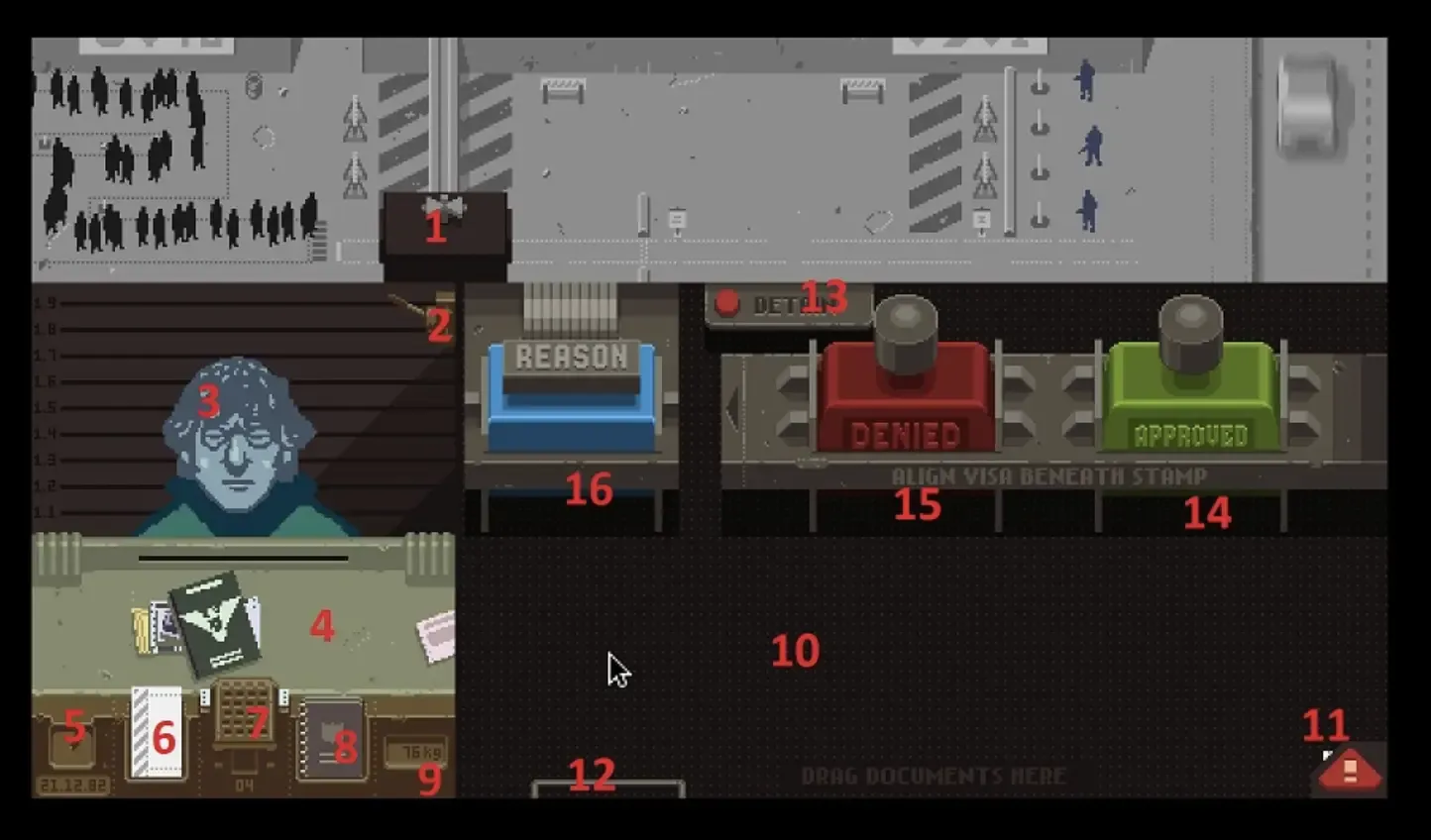 Fig 1. The Inspector’s Desk: A messy desk leads to missed discrepancies. Keep it organized.
Why Papers, Please Still Dominates Its Genre
Compared with other simulation or desk-based games, Papers, Please stands out through its relentless focus on binary decisions under constraint.
If you love the binary decision-making of Sort the Court, Papers, Please turns that mechanic into a gritty, high-stakes thriller. Both games ask you to balance the fate of individuals against the survival of your kingdom (or family).
What makes Papers, Please unique:
- Extreme time pressure: Income depends on how many correct decisions you process per day.
- Scripted randomness: Repeating systems are disrupted by human stories and political events.
- Dense, tactile UI: Every action—dragging documents, stamping approvals, marking discrepancies—costs time and attention.
- Immediate consequences: Mistakes directly affect your income, health, and family survival.
Core Gameplay Loop: Border Control as a Puzzle
Each workday follows a strict structure:
- Daily Bulletin
- Announces new rules, banned nations, or required documents.
- Entrant Processing
- Travelers present passports, permits, IDs, or work passes.
- Document Verification
- Cross-check name, nationality, gender, issuing city, expiration dates.
- Decision
- Approve, deny, detain, or occasionally accept bribes.
- End-of-Day Accounting
- Salary is paid per correct entrant.
- Penalties are deducted for mistakes.
- Family expenses are applied automatically.
The tension comes from choosing speed vs accuracy—you rarely have enough time for both.
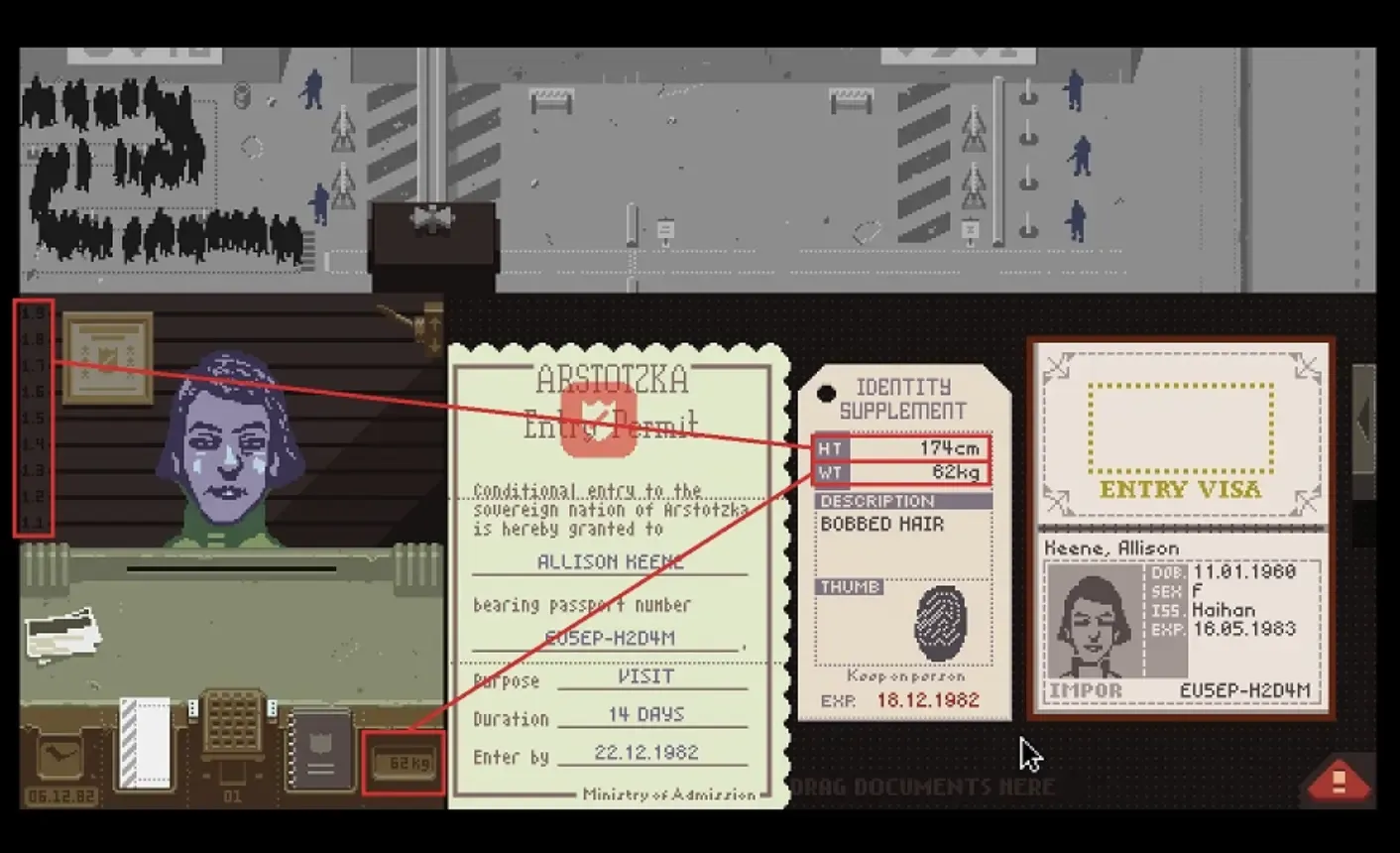 Fig 2. Using the Inspection Mode to correlate discrepancies is the only way to avoid penalties.
UI & Interaction: Why the Desk Matters
The game’s retro document handling is not cosmetic.
Verified mechanics include:
- Drag-and-drop documents
- Inspect Mode for proving discrepancies
- Manual stamp placement
- Audio cues for rule changes and mistakes
- Low-resolution, high-contrast pixel UI optimized for scanning
This constraint-based gameplay turns the interface itself into part of the challenge.
New Player Pain Points: What Documents Should You Check?
Most new players lose money because they do not know which document or field matters on each day. The basic rule is simple: read the daily bulletin first, then compare every required paper against the entrant and the rulebook.
Common Papers and What to Inspect
| Document | What to check first | Common mistake |
|---|---|---|
| Passport | Name, nationality, issuing city, expiration date, photo | Accepting expired passports |
| Entry Permit | Name, passport number, purpose, duration, seal, expiration date | Missing mismatched passport numbers |
| Work Pass | Name, passport number, work duration, seal, expiration date | Ignoring the stated work length |
| Diplomatic Authorization | Name, passport number, issuing nation, access to Arstotzka, seal | Approving diplomats without Arstotzka access |
| Access Permit | Name, passport number, purpose, duration, seal, expiration date | Forgetting to check seals |
| ID Supplement | Height, weight, appearance, expiration date | Missing weight or appearance conflicts |
| Grant of Asylum | Name, passport number, nationality, seal, expiration date | Treating asylum papers like normal permits |
| Certificate of Vaccination | Name, passport number, required vaccine | Missing disease-specific vaccine requirements |
For a complete timeline, use the Papers, Please required documents by day guide.
Most Common Early Mistakes
- Expired passports or permits
- Mismatched name, gender, or nationality
- Photo not matching the entrant
- Missing newly required documents
- Incorrect approval or denial stamp
- Ignoring seals once permits become more complex
Beginner Correction Workflow
- Check required documents for the day.
- Scan expiration dates first.
- Cross-check one anchor field such as name, date of birth, or passport number across all documents.
- Use Inspect Mode to lock in proof before denying or detaining.
Mastering this loop alone eliminates most early penalties.
Time Management That Actually Works
Successful inspectors develop a repeatable desk routine:
- Keep the rulebook open only to the current requirement page.
- Stack documents consistently: passport first, then active permit.
- Leave the stamp area clear to avoid misclicks.
- Only slow down when a discrepancy appears.
- Treat seals as a late-game checklist item, not an afterthought.
The game rewards flow, not panic.
Fingerprints, Detention & Enforcement Tools
Fingerprints are not universal truth detectors.
They are most useful when:
- Names differ across documents
- Identity is questionable despite valid paperwork
- A photo mismatch requires stronger confirmation
Detention should be used only after proving a discrepancy in Inspect Mode. Detaining without proof can still result in penalties.
 Fig 3. Don’t let friendly faces fool you—Jorji’s “passport” is a guaranteed citation.
Who Is Jorji Costava?
Jorji Costava is the recurring entrant most players remember first. His fake Cobrastan passport is funny, but it also teaches an important inspection lesson: not every visitor is just a random document set. Some people return, create running jokes, and test whether you are following the rules or reacting emotionally.
Jorji later connects to the Obristan escape route, and his appearances include fake documents, smuggling, wanted-list consequences, and the fan-favorite Potato Man nickname. If you are looking for every Jorji appearance, fake passport moment, and how to handle him, read the dedicated Jorji Costava guide.
Advanced Route: EZIC Resistance Ending Path
For repeat playthroughs, the EZIC resistance path adds a second strategic layer:
- Specific individuals must be helped or sabotaged.
- Tasks often conflict with safe, compliant play.
- Suspicious money should usually be burned instead of kept.
- Long-term outcomes depend on cumulative cooperation.
- Some EZIC choices push you toward resistance endings instead of loyalist outcomes.
EZIC shifts optimization from “maximum correctness” to risk-managed intervention, increasing replay value significantly. If you are trying to unlock the EZIC ending, use the Papers, Please EZIC Guide for every task by day. To compare the revolution route with escape, loyalist, and failure outcomes, read the complete Papers, Please endings guide.
Endings & Replayability
Papers, Please has 20 official story endings, ranging from early failure outcomes to escape, loyalist, and EZIC revolution routes.
| Route type | What it means |
|---|---|
| Failure endings | Arrest, family collapse, failed escape, or major rule violations |
| Escape endings | Fleeing to Obristan with part or all of your family |
| Loyalist endings | Staying aligned with the Arstotzkan government |
| EZIC endings | Cooperating with The Order and allowing the revolution route to unfold |
Not every ending is equally difficult. Some happen naturally when you make a serious mistake, while others require planning several days in advance. The important point is that endings are not just rewards; they are consequences of how you balance obedience, survival, greed, compassion, and resistance.
Want the full list? See all 20 Papers, Please endings and their trigger conditions.
Related Games and Guides
- Want every ending condition? Read the Papers, Please All 20 Endings Guide.
- Want the full rule timeline? Open the Papers, Please Documents Guide.
- Want to follow The Order? Use the Papers, Please EZIC Guide.
- Want every Jorji appearance? Read the Jorji Costava Guide.
- Like tense moral choices? Try Elevator Hitch next.
- Prefer simple yes-or-no decisions? Play Sort the Court.
Final Thoughts
Papers, Please is not about winning.
It is about endurance, precision, and the cost of obedience.
If Sort the Court teaches you the power of a single “Yes” or “No,”
Papers, Please asks what happens when every answer has blood on it.
Glory to Arstotzka.
Glory to Arstotzka! 🫡 The stress is real, but catching a discrepancy in the last second feels amazing.